Official product information
Nerve Health Guide: Causes, Daily Care and Where Quiet Nerves Fits
Quick answer
Peripheral neuropathy is damage to nerves outside the brain and spinal cord. Diabetes is the leading US cause; low vitamin B12, alcohol and some medicines are others. See a doctor first, check your feet daily, and ask about B12 if you take metformin. Supplements such as Quiet Nerves are not a treatment and publish no proven dose.

The product
What is peripheral neuropathy?
Peripheral neuropathy means damage to the nerves outside the brain and spinal cord. These nerves carry feeling in from the skin, send movement signals out to the muscles, and run automatic jobs such as digestion and blood pressure (NINDS, peripheral neuropathy).
When they are damaged, the signals get lost or scrambled. Many people first notice it in the toes and feet, and it can creep upward over time.
| Nerve type | What it does | Common signs when it is damaged |
|---|---|---|
| Sensory nerves | Carry touch, temperature, pain and position | Numbness, tingling, burning, pins and needles, not feeling a cut or a hot bath |
| Motor nerves | Move the muscles | Weakness, cramps, trouble gripping, tripping or poor balance |
| Autonomic nerves | Run heart rate, blood pressure, digestion, bladder and sweating | Dizziness on standing, stomach or bladder trouble, changes in sweating |
Symptoms can be mild and come and go, or they can be constant and painful. Both deserve a proper check, because the cause decides the care.
Causes
What causes peripheral neuropathy?
Diabetes is the leading cause of peripheral neuropathy in the US, but it is far from the only one (NINDS, peripheral neuropathy). Finding the cause matters because treatment depends on it.
Diabetes
High blood sugar over years can harm nerves and the small vessels that feed them. Up to half of people with diabetes have peripheral neuropathy (NIDDK, diabetic peripheral neuropathy).
Low vitamin B12
Low B12 can make hands and feet numb or tingly (NIH ODS, vitamin B12). It is common, and a blood test can find it.
Alcohol
Heavy drinking over time is a known cause. It can also leave people short of the vitamins that nerves need.
Medicines and chemotherapy
Some cancer drugs and a few other medicines can affect nerves. Tell your doctor if symptoms began after a new prescription.
Infections
Some viral and bacterial infections can damage nerves, either directly or through the body's response to them.
Other causes
Injuries, kidney or thyroid problems, autoimmune diseases and inherited conditions. Sometimes no cause is found.
Feet
Diabetes and your feet: why daily foot care matters
If you live with diabetes, a daily look at your feet is one of the most useful habits you can build. Numb feet do not warn you about a blister or a stone in your shoe, so small injuries can go unnoticed and turn into sores (NIDDK, diabetic peripheral neuropathy).
Look every day
Check the tops, soles, heels and the skin between your toes. Use a mirror, or ask someone to help if bending is hard.
Wash and dry with care
Use lukewarm water and test it with your elbow, since numb feet cannot judge heat. Dry well between the toes.
Keep skin soft, not damp
A little lotion on dry skin helps prevent cracks. Keep it out of the spaces between the toes.
Never go barefoot
Wear socks and shoes indoors and out. Feel inside each shoe before you put it on.
Call about any foot problem
NIDDK advises calling your doctor right away about cuts, sores, blisters or red, swollen skin that is not healing.
Managing blood glucose, blood pressure and cholesterol helps prevent nerve damage in diabetes (NIDDK, diabetic peripheral neuropathy). Ask your care team to check your feet at every visit.
B12
Vitamin B12, metformin and tingling feet
Low vitamin B12 is one of the easier causes of tingling to find and treat, so it is worth ruling out. The diabetes drug metformin might reduce how much B12 the body absorbs and lower blood levels over time (NIH ODS, vitamin B12).
Older adults and people who eat no animal foods are also more likely to run low.
- Ask your doctor whether a B12 blood test makes sense for you, especially if you take metformin.
- Do not stop metformin or any other prescription on your own.
- If a test shows low B12, your doctor will suggest how to correct it and how to recheck.
Urgent
When do nerve symptoms need a doctor fast?
Most nerve symptoms build slowly and can wait for a planned visit. A few signs cannot wait, and knowing them in advance saves time.
Call 911 right away
- Sudden numbness or weakness in the face, arm or leg, especially on one side of the body
- Sudden trouble speaking, seeing or walking, or a drooping face. These are stroke signs.
- Weakness that spreads quickly up the legs or into the arms, or any trouble breathing
- New loss of bladder or bowel control together with back pain or numb legs
Call your doctor within days, not weeks
- A foot cut, blister or sore that is not healing, or skin that is red, warm or swollen
- Symptoms that started soon after a new medicine
- Falls, tripping, or dropping things because your hands or feet feel weak or numb
- Burning pain that keeps you awake
Raise it at your next routine visit
- Mild tingling that comes and goes
- Questions about your B12 level, blood sugar targets or a foot check
Basics
Everyday basics that support nerve health
The habits with the best support behind them are not products. They are the daily basics your care team already talks about, and they work alongside any treatment you receive.
Blood sugar control
Keeping blood glucose in the range your doctor sets, along with blood pressure and cholesterol, helps prevent nerve damage (NIDDK, diabetic peripheral neuropathy).
Regular activity
Moving most days helps blood sugar and circulation. Ask which activities are safe for your feet, and check them after exercise.
Less alcohol
Alcohol is a known cause of nerve damage. Cutting back, or stopping, protects nerves and helps with blood sugar too.
Good footwear
Shoes that fit well, with room for the toes and no rubbing seams, plus clean, dry socks every day.
Not smoking matters as well, since smoking narrows the blood vessels that feed nerves in the feet and legs. Your doctor or pharmacist can suggest ways to quit.
Supplements
What can supplements do for nerves, and what can't they do?
Supplements are not reviewed for safety or effectiveness before they are sold, some interact with medicines, and natural does not always mean safe (NCCIH, using supplements wisely). That is why every supplement you take belongs on the list you share with your doctor.
Some single ingredients have human trials. Alpha lipoic acid at 600 mg a day by mouth eased symptoms over 5 weeks in the SYDNEY 2 trial (Ziegler et al., 2006), but a later review found the clear benefit came from IV use and called the oral results unclear (Mijnhout et al., 2012). For acetyl-L-carnitine, Cochrane reviewers said they are very uncertain whether it reduces nerve pain (Rolim et al., 2019 (Cochrane)).
What a supplement can do
- Correct a shortfall a blood test has found, such as low vitamin B12, with your doctor's advice
- Supply a single ingredient at a studied dose that some people with symptoms find useful
What a supplement cannot do
- Find the cause of your symptoms
- Replace blood sugar control, foot care or a treatment your doctor prescribes
- Repair, regrow or reverse nerve damage; no supplement has shown that
- Be assumed safe alongside your medicines
Fits
Where does Quiet Nerves fit in all this?
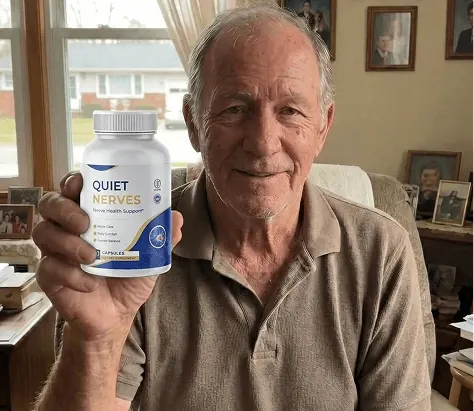
Quiet Nerves is a dietary supplement, not a treatment for neuropathy, nerve pain or diabetes. It sits after the doctor visit and the daily basics, never in place of them.

The capsule names six ingredients: magnesium glycinate, alpha lipoic acid, butcher's broom, L-carnitine, turmeric (95% curcuminoids) and coenzyme Q10. The brand publishes no amounts, so no one can compare its doses with the trials above, and no study of the capsule itself exists.
Its sales lines, "support healthy nerve function, promote daily comfort, encourage healthy circulation", are brand claims, not proven results.
See what the label shows on the Quiet Nerves Supplement Facts page, read every caution on the side effects page, and judge any nerve product with our buyer's checklist.
Sources
Sources used in this guide
We opened and read each source below before citing it.
- National Institute of Neurological Disorders and Stroke. Peripheral Neuropathy. Last reviewed March 13, 2026. Open source
- National Institute of Diabetes and Digestive and Kidney Diseases. Peripheral Neuropathy. Last reviewed February 2018. Open source
- NIH Office of Dietary Supplements. Vitamin B12: Fact Sheet for Consumers. Updated December 15, 2023. Open source
- National Center for Complementary and Integrative Health. Using Dietary Supplements Wisely. Last updated January 2019. Open source
- Ziegler D, Ametov A, Barinov A, Dyck PJ, Gurieva I, Low PA, Munzel U, Yakhno N, Raz I, Novosadova M, Maus J, Samigullin R. Oral treatment with alpha-lipoic acid improves symptomatic diabetic polyneuropathy: the SYDNEY 2 trial. Diabetes Care. 2006;29(11):2365-2370. doi:10.2337/dc06-1216 Open source
- Mijnhout GS, Kollen BJ, Alkhalaf A, Kleefstra N, Bilo HJG. Alpha lipoic acid for symptomatic peripheral neuropathy in patients with diabetes: a meta-analysis of randomized controlled trials. Int J Endocrinol. 2012;2012:456279. doi:10.1155/2012/456279 Open source
- Rolim LCSP, et al. (with da Silva, Flumignan, Abreu, Dib). Acetyl-L-carnitine for the treatment of diabetic peripheral neuropathy. Cochrane Database Syst Rev. 2019;(6):CD011265. doi:10.1002/14651858.CD011265.pub2 Open source
- Higdon J, Delage B. Lipoic Acid. Micronutrient Information Center, Linus Pauling Institute, Oregon State University. Updated October 2018; reviewed January 2019. Open source
- Memorial Sloan Kettering Cancer Center. About Herbs: Butcher's Broom. Updated April 13, 2023. Open source